Dead Format Energy: Why Digging Through Your Parents' Old Media Collection Feels Like Resistance
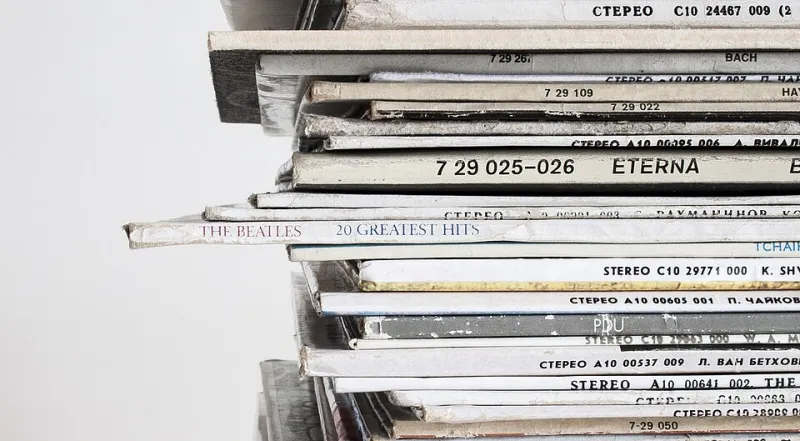
Photo: Umberto Cofini umbe, CC0, via Wikimedia Commons
Somewhere in suburban America, there is a garage with a box in it. Inside that box: a camcorder tape of a family Christmas from 1997, three seasons of The X-Files on VHS recorded off broadcast TV with the commercials still in, a copy of Purple Rain on vinyl with a split seam, and a portable CD player that still works if you hold the battery door closed. For most of the 2000s and 2010s, that box was embarrassing. Evidence of obsolescence. Stuff to donate before the estate sale.
Right now, that box is the most interesting thing in the house.
The collector's fervor around dead and dying media formats has been building quietly for a few years, but something has shifted recently in the intensity and the intentionality behind it. People aren't just buying old records because they sound warm or picking up VHS tapes because they look cool on a shelf. They're reaching for these objects with a specific kind of hunger — one that has more to do with the present than the past.
What Streaming Actually Took
To understand the appeal of physical media in 2025, you have to be honest about what the streaming era actually delivered. Yes: access. Unprecedented, almost incomprehensible access. More music, more film, more television than any individual could meaningfully consume in several lifetimes, available instantly, for a monthly fee roughly equivalent to two cocktails in most American cities.
But access and ownership are different things. And a generation that grew up buying CDs, recording mixtapes, and carefully building physical libraries has had a decade or so to sit with what it means to not own the thing you love.
Streamers pull titles without notice. Algorithms decide what surfaces and what disappears. A film you watched a hundred times as a kid might simply vanish from a platform one Tuesday morning, and there's no recourse. You were licensing the experience. You never had the thing.
For Millennials especially — a demographic that came of age during the physical-to-digital transition and watched their libraries dissolve into subscriptions — this has landed somewhere between inconvenience and genuine grief. The move to obsolete formats isn't irrational. It's a corrective.
The Thrift Store Circuit
Talk to people actively digging through Goodwills, estate sales, and Facebook Marketplace listings for old media and a pattern emerges pretty quickly. It's not really about the format. It's about the relationship to the object.
Marco, 34, a graphic designer in Chicago, started buying DVDs again about two years ago. Not because he thinks the picture quality is superior to streaming — he doesn't — but because he got tired of something he struggled to articulate at first. "I realized I hadn't owned a movie in years," he says. "Like, actually owned one. I had access to thousands of movies, but I owned zero of them. That started to feel weird."
His collection is now about 200 discs, organized on a shelf he built himself. He buys mostly from thrift stores, rarely spends more than three dollars a title. The selection is partly sentimental — films from his teens and twenties — but also deliberately random. Things he'd never search for on a platform because the algorithm would never suggest them. "There's no recommendation engine at Goodwill," he says. "You just find stuff."
That last part matters more than it sounds.
Against the Algorithm
The recommendation engine is, in many ways, the defining cultural technology of the streaming era. It shapes what music gets heard, what films get watched, what artists break through. It is also, structurally, a narrowing device. It learns what you like and feeds you more of it. It surfaces what performs well for other users like you. It optimizes for engagement, which is not the same thing as discovery.
Physical media collecting, in its current form, is partly a rejection of that loop. A VHS tape doesn't know your listening history. A vinyl record doesn't have a "because you liked this" sidebar. You find it, you take it home, you decide what it means to you without the platform's editorial hand guiding the experience.
For music specifically, the vinyl revival has been documented extensively — but the conversation often gets stuck on audiophile arguments about warmth and fidelity. The more interesting story is the one happening at record fairs and thrift stores: people building collections based on their own instincts rather than what Spotify's Discover Weekly decided they should hear this week. The format is almost beside the point. The agency is the point.
Haunted by the Good Version
There's a nostalgia layer here too, and it's worth naming honestly. A lot of what's driving the dead-format moment is memory — specifically, the memory of a particular quality of attention that physical media seemed to demand.
You put a tape in. You watched it. There was no queue. No autoplay. No notification pulling you sideways. The object had edges. It started and it ended and it was over and you thought about it for a while before you did anything else. That's not a format feature. That's a relationship with time that the streaming era more or less abolished.
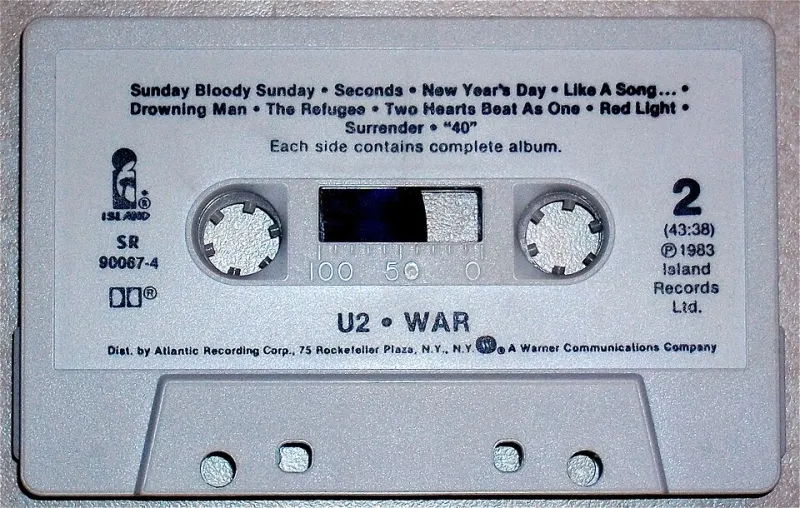
Collectors will sometimes describe handling an old tape or record as "haunted" — not in a spooky way, but in the sense that the object carries the texture of a previous way of being with media. You can feel the era in it. The scratches and the label wear and the handwriting on the spine of a home-recorded cassette are all data about a life that interacted with this thing.
Streaming has no equivalent. A playlist doesn't accumulate that kind of residue. It doesn't age. It doesn't remember.
Owning the Signal
What the dead-format moment ultimately signals — underneath the aesthetics, the nostalgia, and the thrift-store economics — is a quiet argument about what it means to have a relationship with culture.
The streaming model says: we'll give you access to everything, and in return you'll give us your data, your attention patterns, and your willingness to never quite own anything. The physical media model says: you can have less, but what you have is actually yours.
For a growing number of people, that trade is starting to look different than it did five years ago. The box in the garage isn't just old stuff anymore. It's evidence of a different deal — one where you paid for something and kept it and it didn't disappear when the licensing agreement expired.
That's not anti-technology. It's not even really anti-streaming. It's just a generation finding the edges of a system that was sold to them as limitless and discovering, slowly, that limitless and free aren't the same thing as yours.