Borrowed Blueprint: How Your Favorite Creator Accidentally Became Your Life Coach
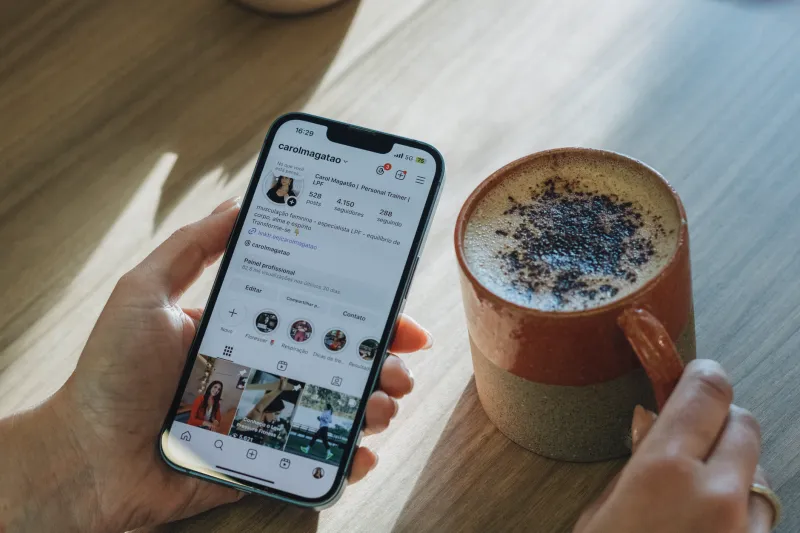
Somewhere between your third rewatch of someone's "day in my life" vlog and the moment you bought the exact same journaling notebook they mentioned in passing, something shifted. It wasn't dramatic. Nobody sent you a notification. But a line got crossed — the one between admiring someone's life and quietly auditing your own against it.
We talk a lot about parasocial relationships in terms of emotional attachment. The parasocial resume, though, is a different thing entirely. It's the phenomenon where a creator's public narrative becomes a kind of professional and personal reference document — a curated proof of concept that whispers: this is what a successful, interesting, well-lived life looks like. And you've been taking notes.
The Accidental Mentorship Nobody Agreed To
Here's the weird part: creators aren't usually trying to be your life coach. Most of them are just documenting their existence, building a brand, chasing their own version of stability or recognition. But audiences are pattern-recognition machines. We watch someone enough, and we start reverse-engineering their choices. We absorb not just what they do but why they seem to be doing it — and then we quietly try to replicate the outcome.
A 24-year-old in Columbus starts getting into ceramics because a Brooklyn-based creator they follow made it look like the kind of grounding, tactile practice that thoughtful people do. A college student in Phoenix restructures their entire reading list based on what a literary creator has on their shelf in the background of every video. Nobody told them to do this. The influence moved like groundwater — invisible, pressurized, finding every crack.
Psychologists call part of this social learning theory, the idea that humans absorb behaviors by observing others, especially those we perceive as successful or admirable. But social learning theory was built around people we actually know. What happens when the model is a performance, optimized for engagement, lit from a flattering angle, and edited down to its most aspirational 12 minutes?
The Highlight Reel Problem
The issue isn't that creators are lying, exactly. Most of them are sharing real parts of their lives. But those parts are selected. The morning routine video doesn't include the three days last week when they didn't get out of bed until noon. The "how I built my creative practice" essay leaves out the two years of aimless flailing that preceded the clarity they're describing now.
When you model your life off a highlight reel, you're not building toward what someone actually is — you're building toward what they've chosen to show. The gap between those two things can be enormous. And the person absorbing the blueprint often has no way to measure that gap from the outside.
This is where the parasocial resume gets quietly dangerous. You're not just picking up aesthetic tips or productivity habits. You're internalizing a whole philosophy about what a life should look like — what counts as progress, what kind of work is meaningful, what version of yourself is worth becoming. And that philosophy was assembled for content, not for you.
When You Start Recognizing the Furniture
There's usually a moment — if you're paying attention — where you catch yourself. Maybe you're explaining your interest in something to a friend and you realize the explanation sounds exactly like a talking point from a creator's video. Maybe you look around your apartment and notice that your decor choices tell a story that isn't quite yours. Maybe you're mid-sentence describing a life goal and you think: wait, is this actually what I want, or is this what I've been watching someone else want?
That moment of recognition is uncomfortable in a specific way. It's not like realizing you've been lied to. It's more like realizing you've been sleepwalking — that you handed the controls over so gradually you never noticed the handoff happening.
A lot of people respond to that discomfort by overcorrecting — aggressively unfollowing, declaring a digital detox, treating their entire online life like contaminated evidence. That's usually not necessary. The influence of other people on our choices isn't inherently bad. Humans have always learned from watching each other. The problem isn't absorption; it's unconscious absorption.
Signal Check: Whose Voice Is That?
The more useful response is slower and less dramatic. It starts with asking better questions about where your preferences actually come from. Not in a paranoid way, but in a genuinely curious one. When you feel drawn toward a particular aesthetic, a particular kind of work, a particular vision of your life — can you trace that feeling back to something that's yours? Or does the trail lead directly to someone's content feed?
This isn't about achieving some pure, influence-free version of yourself — that person doesn't exist and probably wouldn't be very interesting anyway. It's about developing a cleaner signal. Knowing which parts of your blueprint are borrowed and which parts you actually built. Holding the two things separately enough that you can make a real choice about what to keep.
Creators aren't the enemy here. Some of them have genuinely useful things to say about how to build a creative life, how to navigate ambition, how to find meaning in work. The problem is the wholesale adoption — taking the whole package because the packaging looks good, rather than sifting through it and keeping what actually fits your situation, your values, your actual life.
Building Something That Looks Like You
The most interesting version of this conversation isn't really about creators at all. It's about the fact that building a self is hard, and having a template to work from is genuinely appealing. When someone seems to have figured it out — the career, the aesthetic, the sense of purpose — it's natural to want to use their map.
But maps are drawn for specific territories. Someone else's map of their life will always have edges that don't match your terrain.
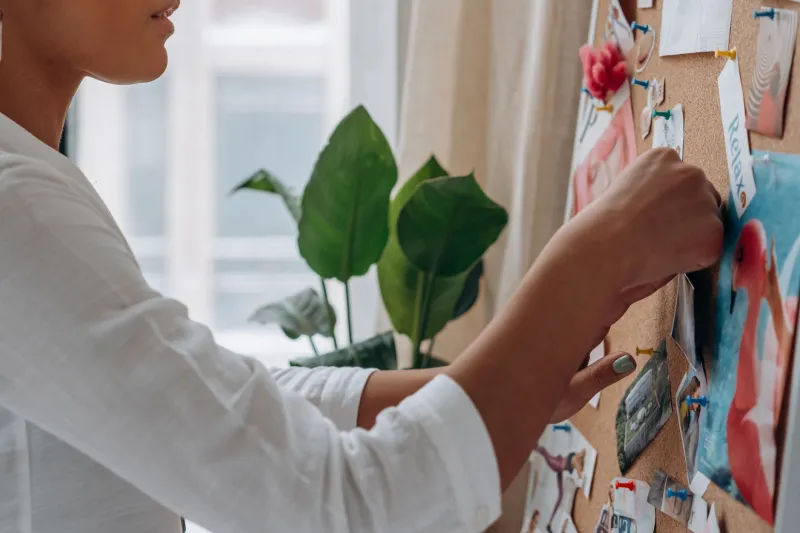
The signal worth finding, underneath all the borrowed aesthetics and adopted philosophies, is the quieter one. The preferences that existed before you found anyone to follow. The things you kept returning to before they showed up on a mood board. The version of your life that doesn't need a creator's narrative to justify it.
That's the blueprint worth building from. Everything else is just noise you've been mistaking for direction.