Shuffle and Believe: How Your Streaming Queue Is Quietly Writing Fan Fiction About an Artist's Soul
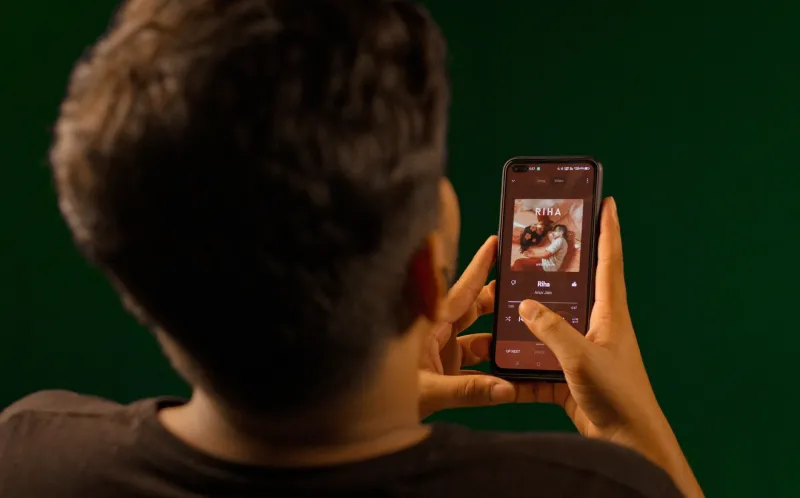
Somewhere around the third or fourth time a platform serves you an artist's most vulnerable deep cut — the one that sounds like it was recorded at 2 a.m. in a bedroom with bad lighting — something shifts in your brain. You stop listening to a song and start listening to a person. Or at least, you think you do.
This is the quiet trick streaming platforms have been running for years, and it works so well that most people never question it. The algorithm doesn't just find music you like. It builds a narrative. It sequences an experience. And by the time it's done, you're convinced you have a genuine read on who this artist actually is — their fears, their damage, their real self hiding underneath the press releases and the Instagram grids.
You don't. But the feeling is so convincing it barely matters.
The Curation That Feels Like Confession
Here's what the feed actually does: it starts with whatever entry point you gave it — a single you heard on a TV show, a playlist a friend shared — and then it reverse-engineers a portrait. It surfaces the emotional outliers. The acoustic version of the hit. The B-side that sounds unfinished. The interview snippet clipped into a pre-roll. Each piece is technically real, technically made by this person, but the sequence is constructed. The platform is storytelling, and you're the audience who forgot you were watching a show.
Psychologists have a term for the bond that forms here: parasocial relationship. It's not new — people felt it watching Johnny Carson, felt it reading celebrity profiles in old magazines. But streaming has turbocharged the mechanism in ways that older media couldn't. The algorithm isn't just delivering content; it's personalizing the emotional arc. It figures out which version of an artist's catalog hits you the hardest, then leans on that lever until the attachment is deep enough to be self-sustaining.
The result is a sense of intimacy that feels earned, even though nothing was ever actually exchanged.
When the Bedroom Recording Becomes a Mirror
There's a specific type of artist content that accelerates this process faster than anything else: the lo-fi confessional. The voice memo that got turned into a track. The lyric that reads like a journal entry. The production that sounds deliberately unpolished, like someone left the door open while they were being honest.
Platforms know this material functions differently in the brain. It signals authenticity. It lowers defenses. When Phoebe Bridgers or Sufjan Stevens or a newer independent artist drops something that sounds emotionally unguarded, listeners don't process it the same way they process a polished pop single. They process it the way they'd process a friend telling them something real.
Algorithms have learned to prioritize this material in recommendation queues — not necessarily because the platforms are cynical about it, but because engagement data tells them it sticks. People return to emotionally resonant content. They add it to personal playlists. They share it with language like this song knows me or how did they write exactly what I was feeling. The track becomes a two-way mirror, and the artist on the other side starts to feel less like a stranger.
The Constructed Self vs. The Actual One
The problem isn't that the music isn't real. Most of it is. Artists genuinely pour themselves into their work, and the emotional content listeners connect with isn't fabricated. The problem is the frame — the assumption that consuming the output means understanding the source.
An artist's catalog is a series of creative decisions made across years, under different circumstances, in different emotional states, sometimes with collaborators, sometimes under label pressure, sometimes in direct contradiction to who they were six months later. The algorithm flattens all of that into a single coherent identity. It presents the most affecting moments as a unified self-portrait rather than what they actually are: fragments.
When that constructed image eventually collides with the actual person — an interview where they seem guarded, a public behavior that contradicts the vulnerability of the music, a creative pivot that feels like a betrayal — the reaction from listeners is often weirdly personal. Betrayal. Disappointment. A sense that they were lied to, even though no direct promise was ever made.
They weren't lied to by the artist. They were lied to by the queue.
The Platform Is the Author
This is the part that gets uncomfortable to sit with: the entity doing the most narrative work here isn't the artist. It's the platform. Spotify, Apple Music, YouTube — they're not passive delivery systems. They're editors with enormous influence over which version of an artist you encounter and in what order. They decide whether you meet the polished single first or the raw acoustic version. They decide whether you hear the era of an artist's work when they were falling apart or the era when they had it together.
The listener builds a relationship with the character the algorithm assembled. The artist had limited say in that assembly. And yet the emotional weight of the connection lands entirely on the artist's shoulders when something goes sideways.
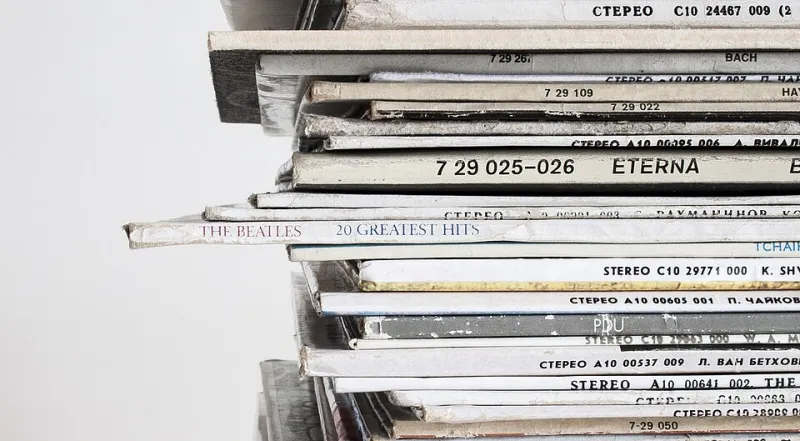
Underground communities have understood this for a while — one reason why certain corners of music culture still insist on physical media, on artist-curated listening experiences, on consuming work in the sequence the creator intended rather than the sequence a recommendation engine optimized for retention. It's not just nostalgia. It's a refusal to let a platform author the relationship on your behalf.
What You're Actually Hearing
None of this means the connection is worthless. Music is one of the few places where manufactured emotional resonance and genuine emotional resonance are almost indistinguishable, and that's not a bug — it's the whole point of the art form. The feeling you get from a song that hits at exactly the right moment in your life is real, regardless of how the algorithm got it to you.
But there's a difference between this music means something to me and I know who this person is. One is a relationship with art. The other is a story you're telling yourself, with the platform as co-author.
The next time a streaming service serves you something that feels almost too personal — like it was made specifically for you, by someone who somehow understands — try holding both things at once. Let the song be real. Let the feeling be real. And stay curious about the gap between the artist the algorithm introduced you to and whoever actually exists on the other side of the signal.
That gap is where the interesting stuff lives.